Hello Mr. Hao, how lovely that you could take the time for this interview! We would like to thank you sincerely and are already looking forward to learning more about you. So, let’s dive right in!
First, it would be great if you could tell us a bit about yourself and your personal background. Who are you, what are your passions, and how have they led you to where you are today?
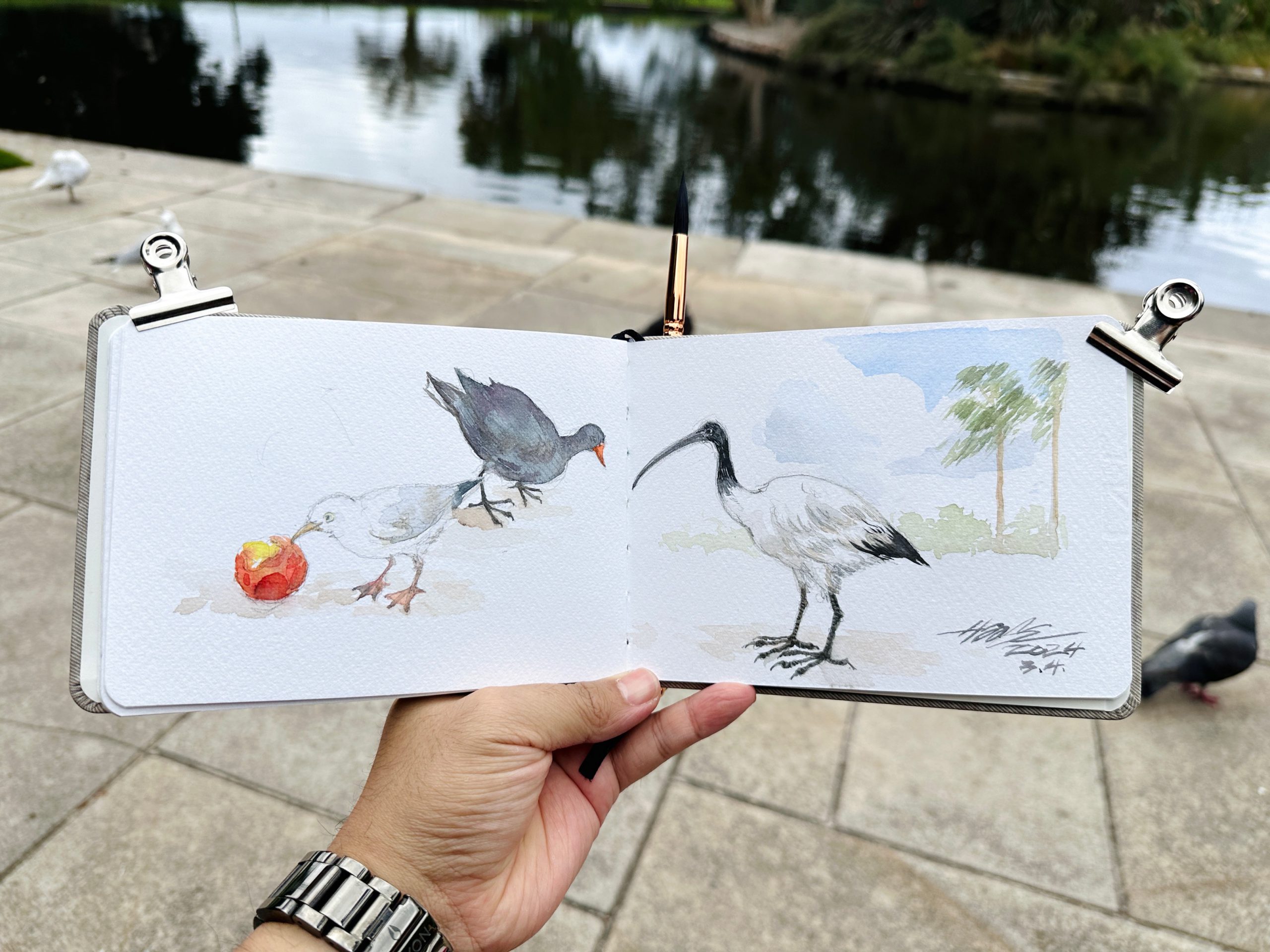
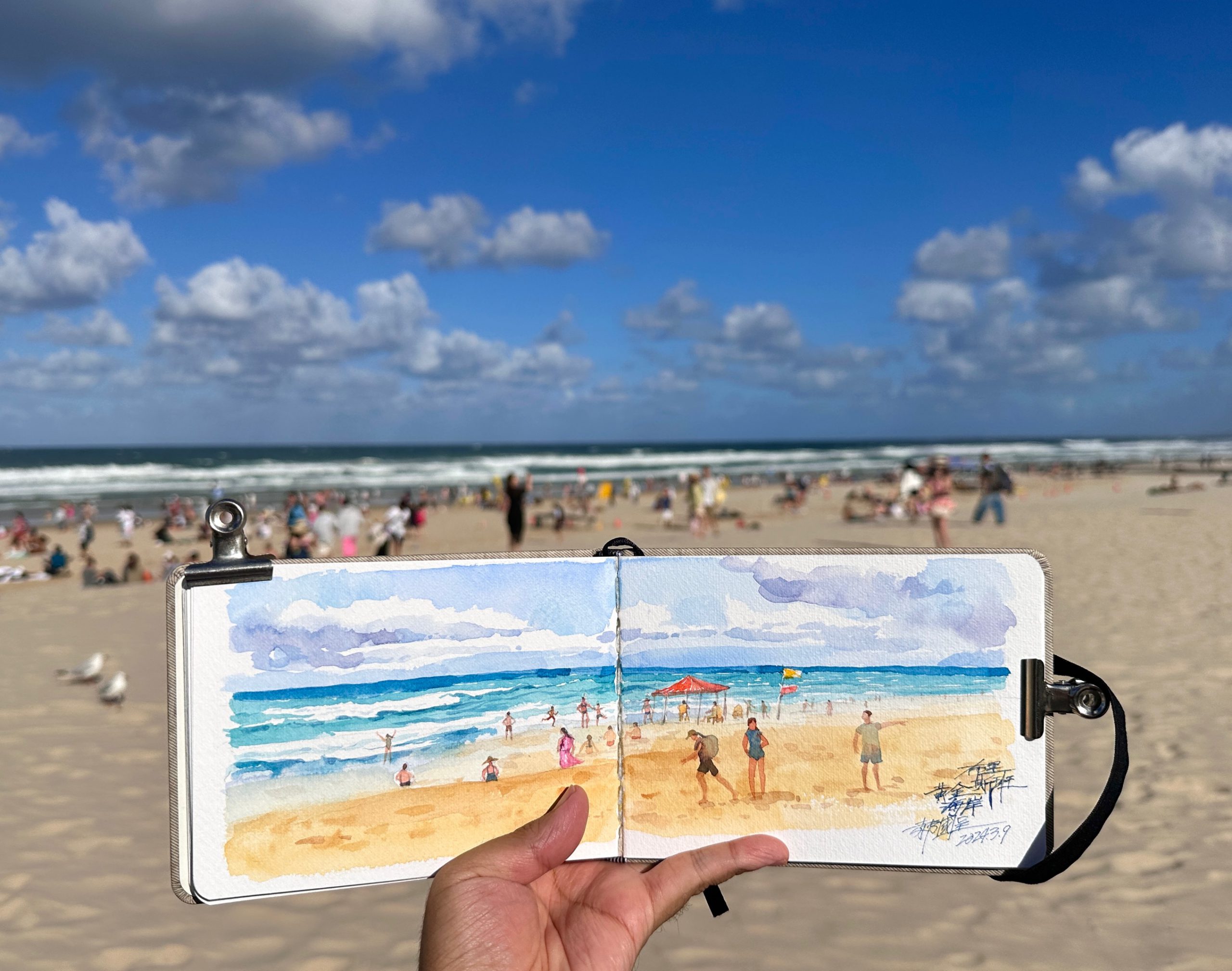
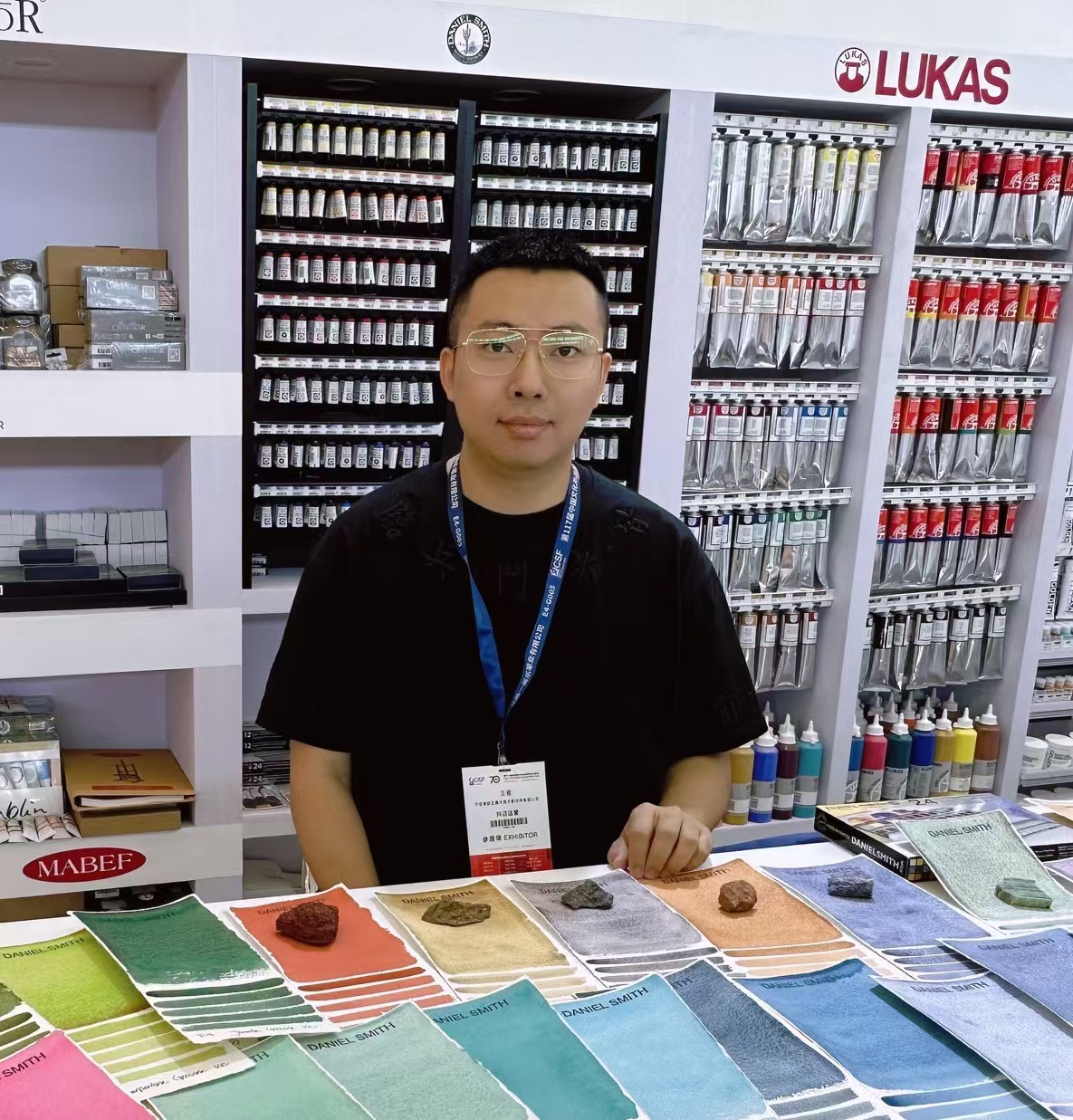
Hao: I’m a professional artist from China, I’m an artist, illustrator and designer by profession, and also engaged in teaching painting. I have been fascinated by painting since kindergarten. My family member who is good at painting, gave me a lot of support. I have been using drawing materials of international brands since 1998 back in elementary school. I’ve always been drawn to cultural diversity, life’s vitality, and regional differences in colour and texture.
How would you describe your style, and how has it evolved over time? Were there any particular influences that shaped your style?
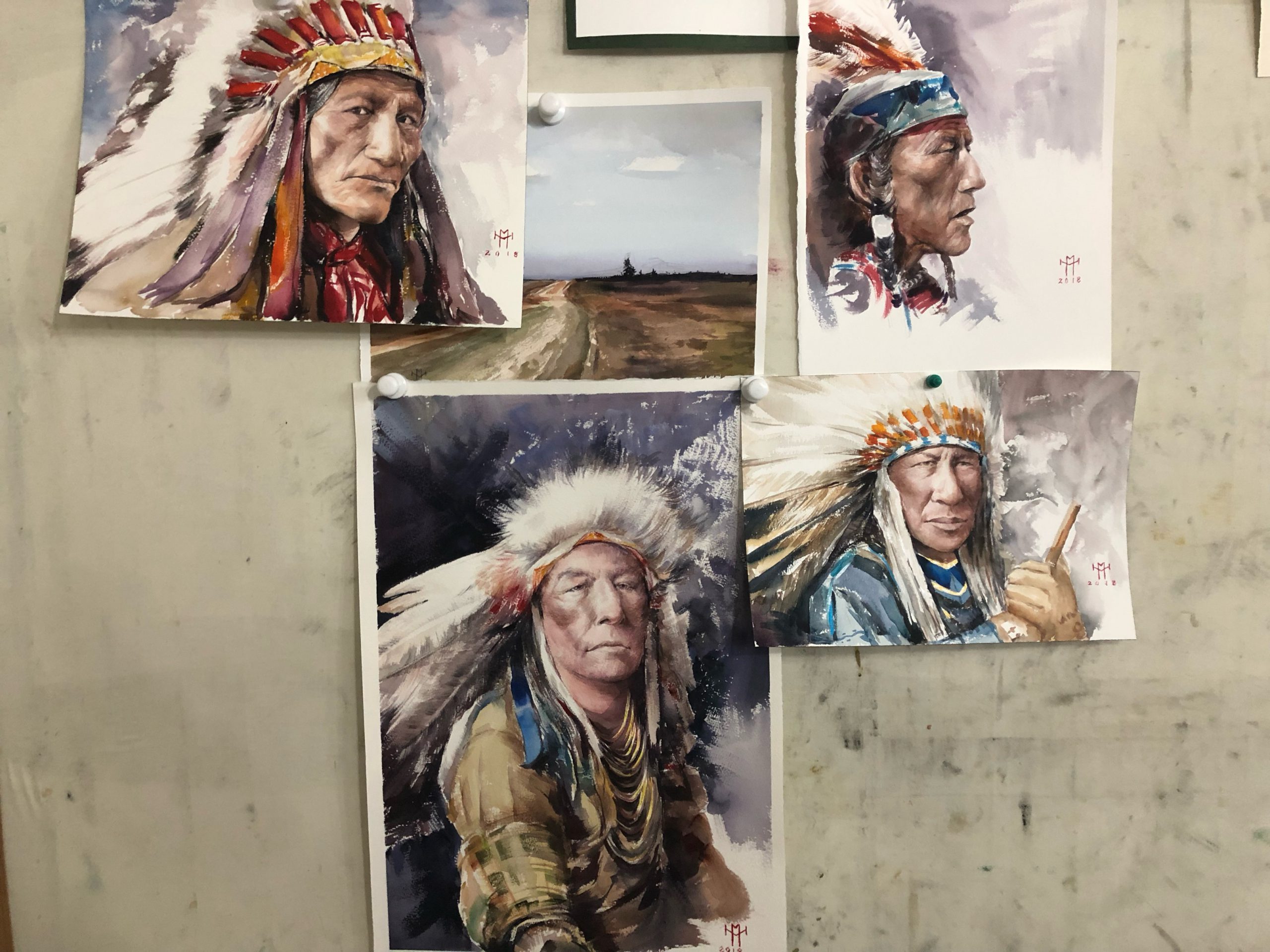
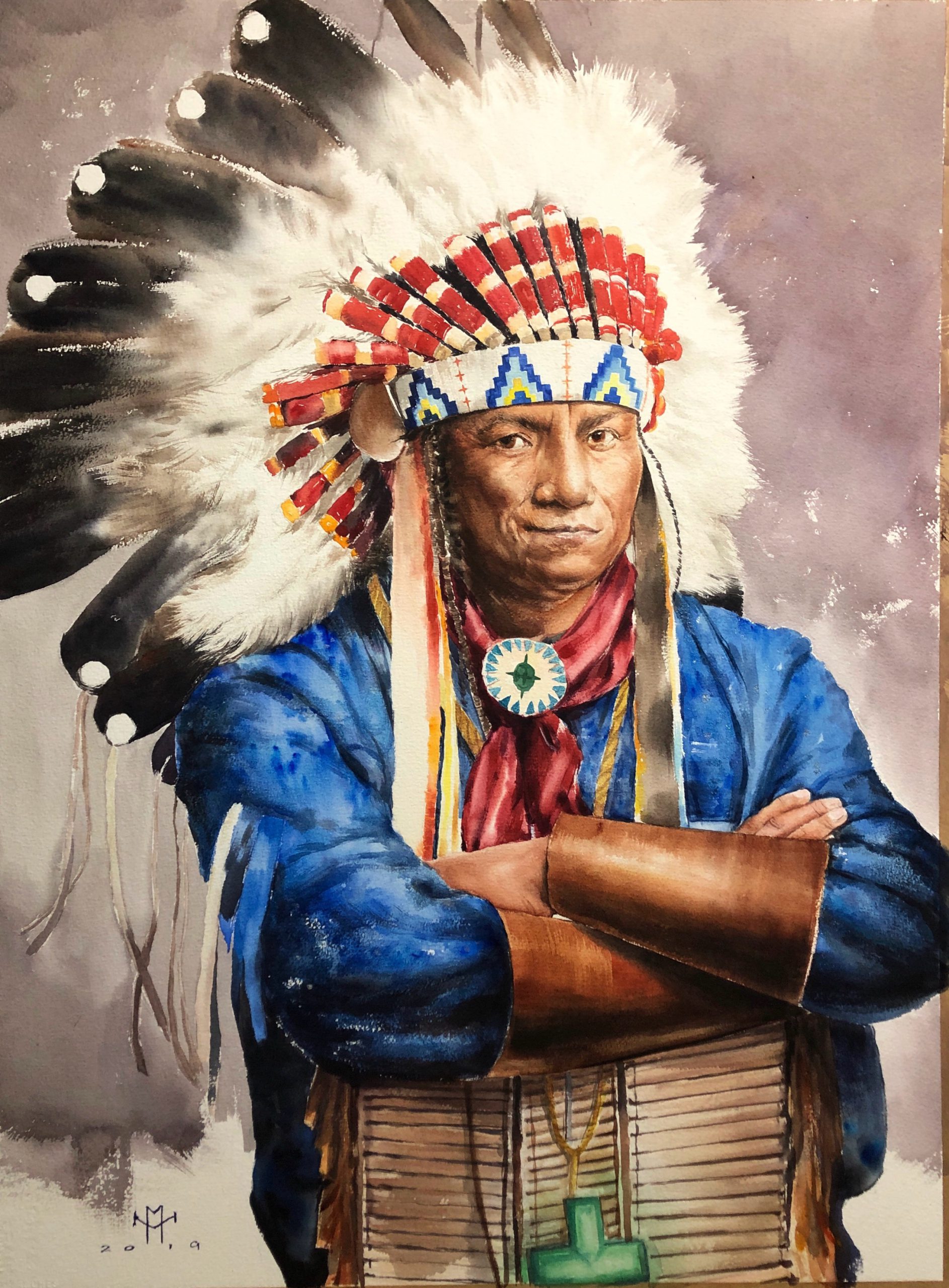
Hao: My style is spontaneous, with realism and spontaneity. I love the rigor of the German artist Albrecht Dürer. The romanticism of the French artist Paul Helleu. The naivety, imagination, and simplicity of the French artist Rousseau. And Paul Rubens’s atmosphere and magnificence. Influenced by these masters of art, I have always wanted to express life, joy, goodness and love through the form of painting.
Where do you draw inspiration for your beautiful creations?
Hao: I get inspired to create by observing people and things around me, animals in nature, and high quality media materials inspired me as well.
Are there any particular themes or motifs that are especially close to your heart?
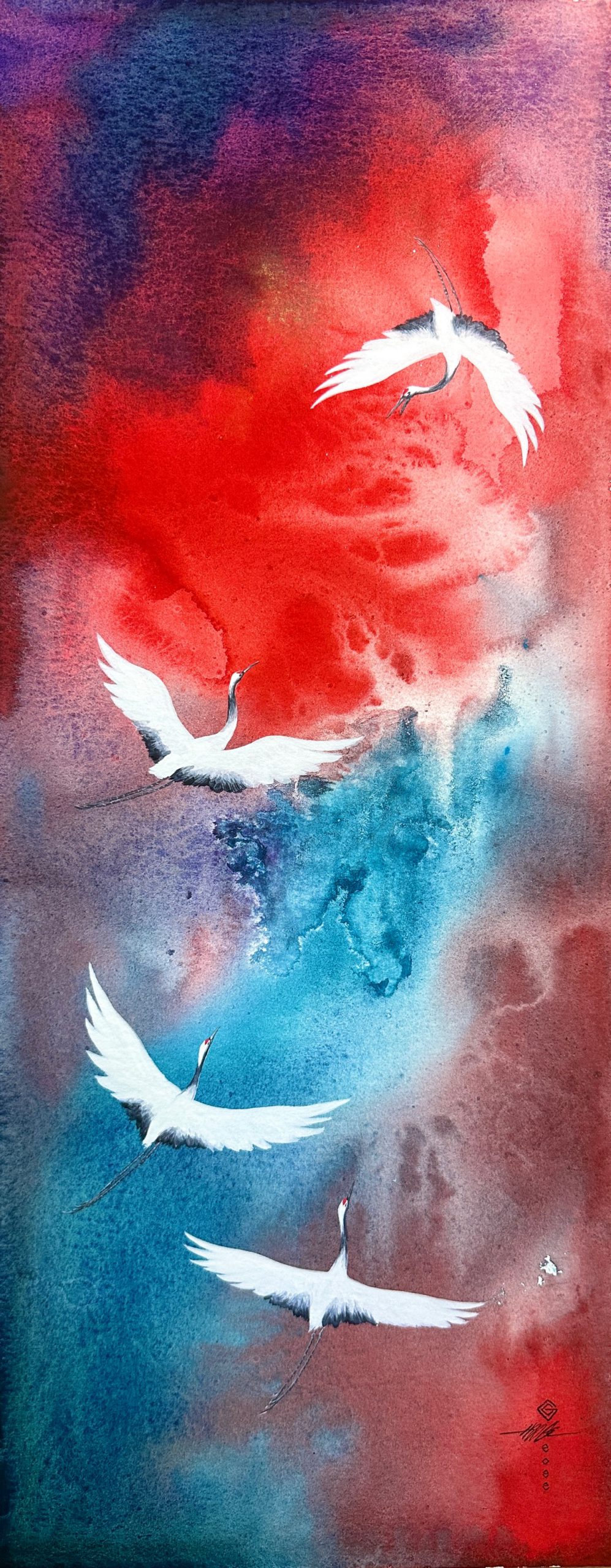
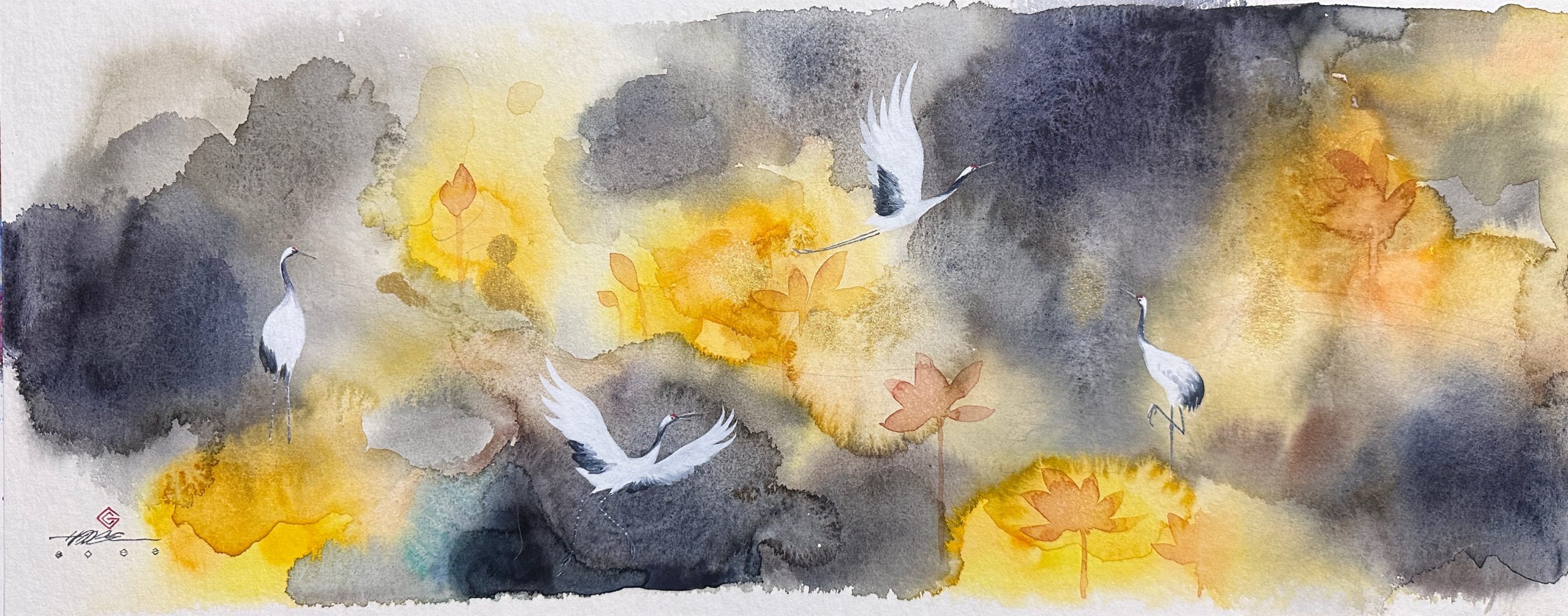
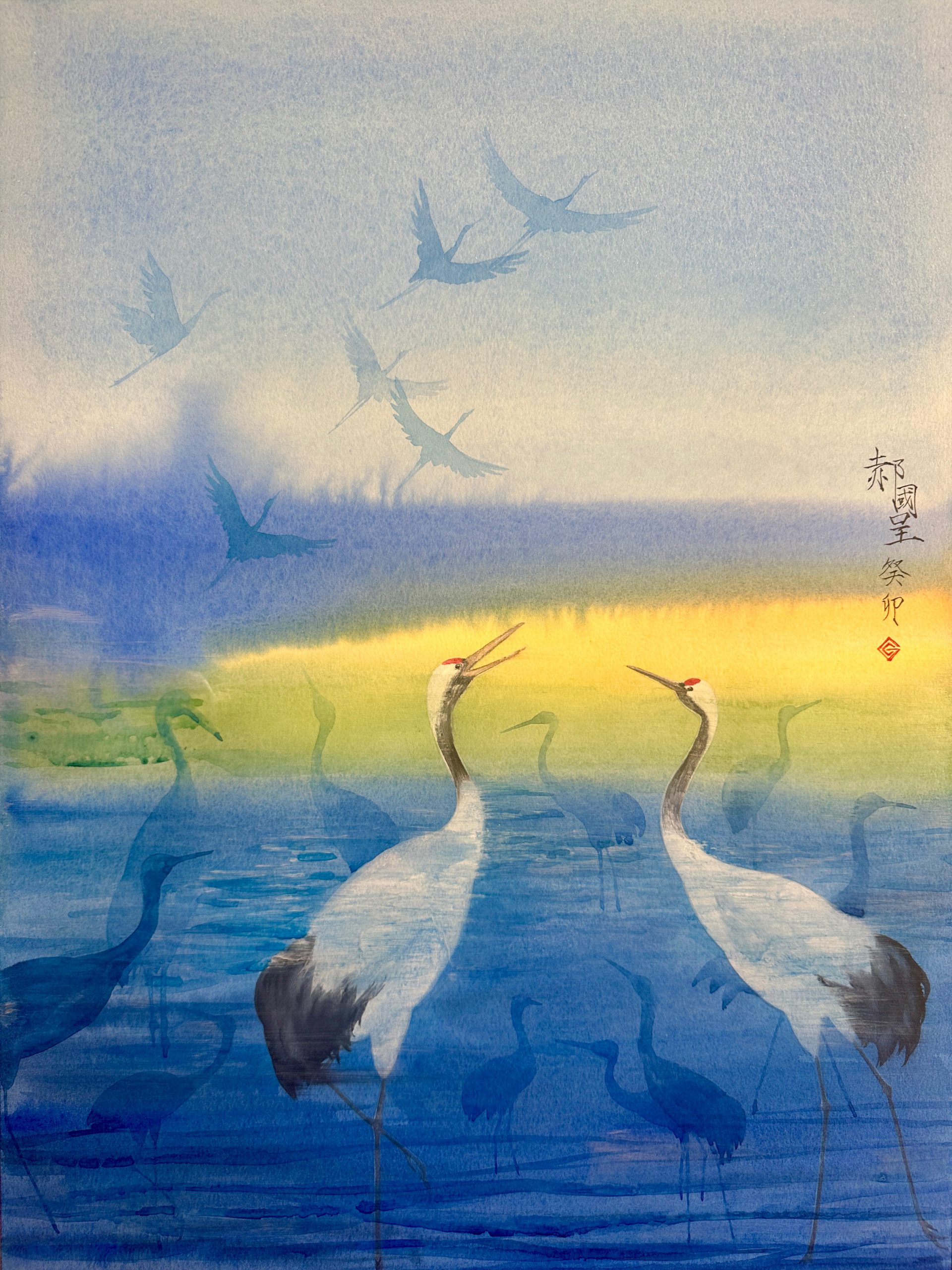
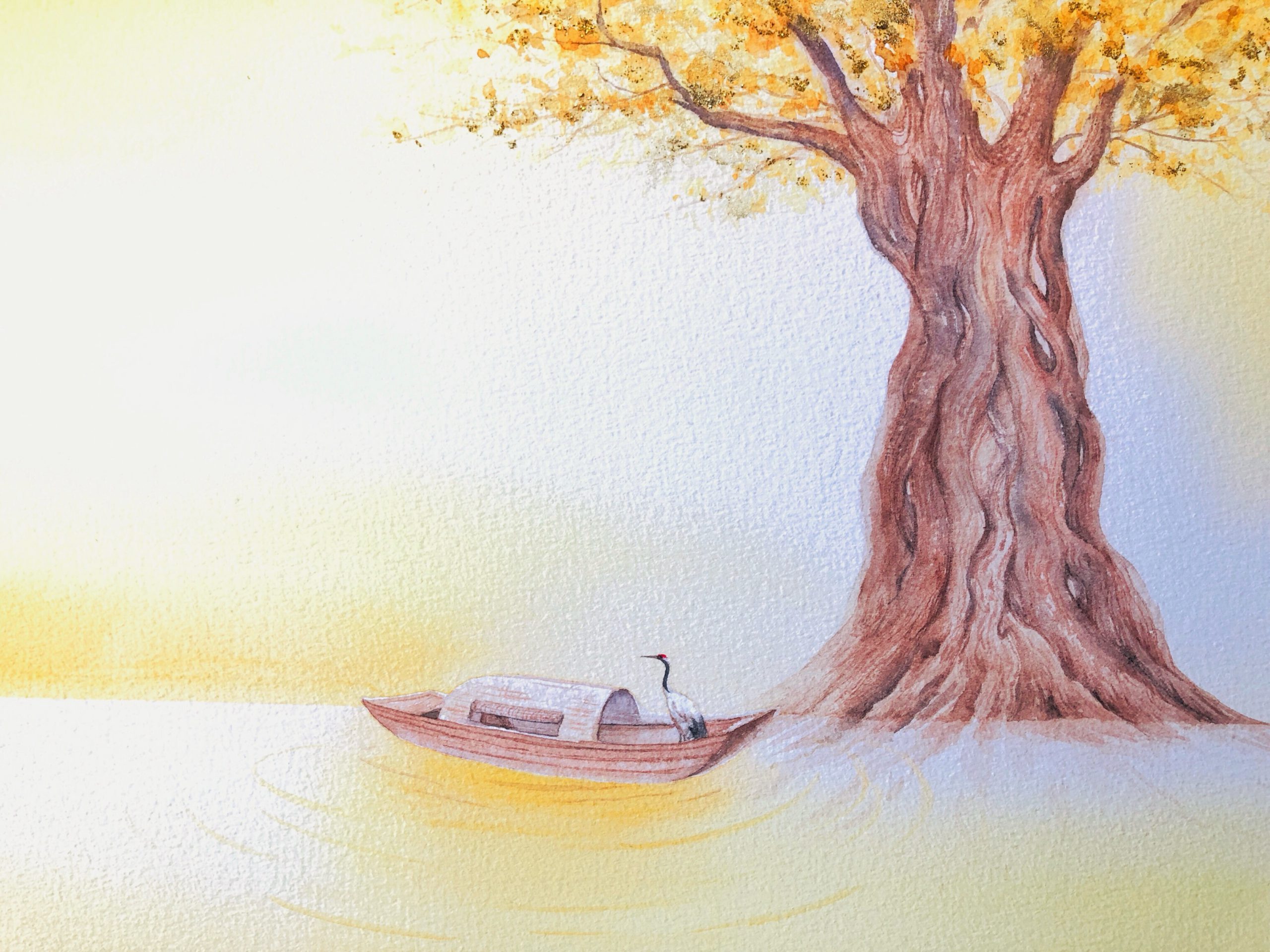
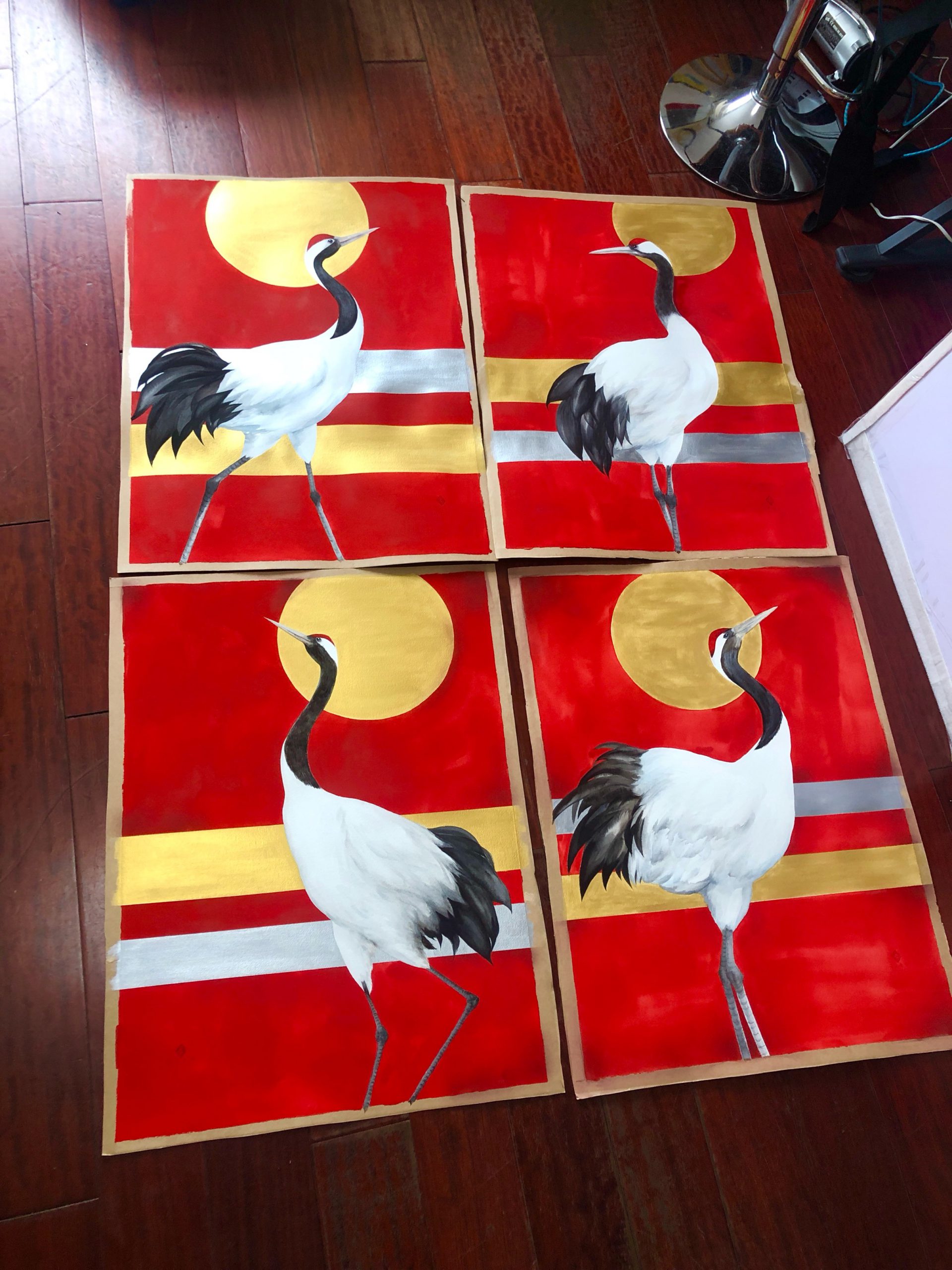
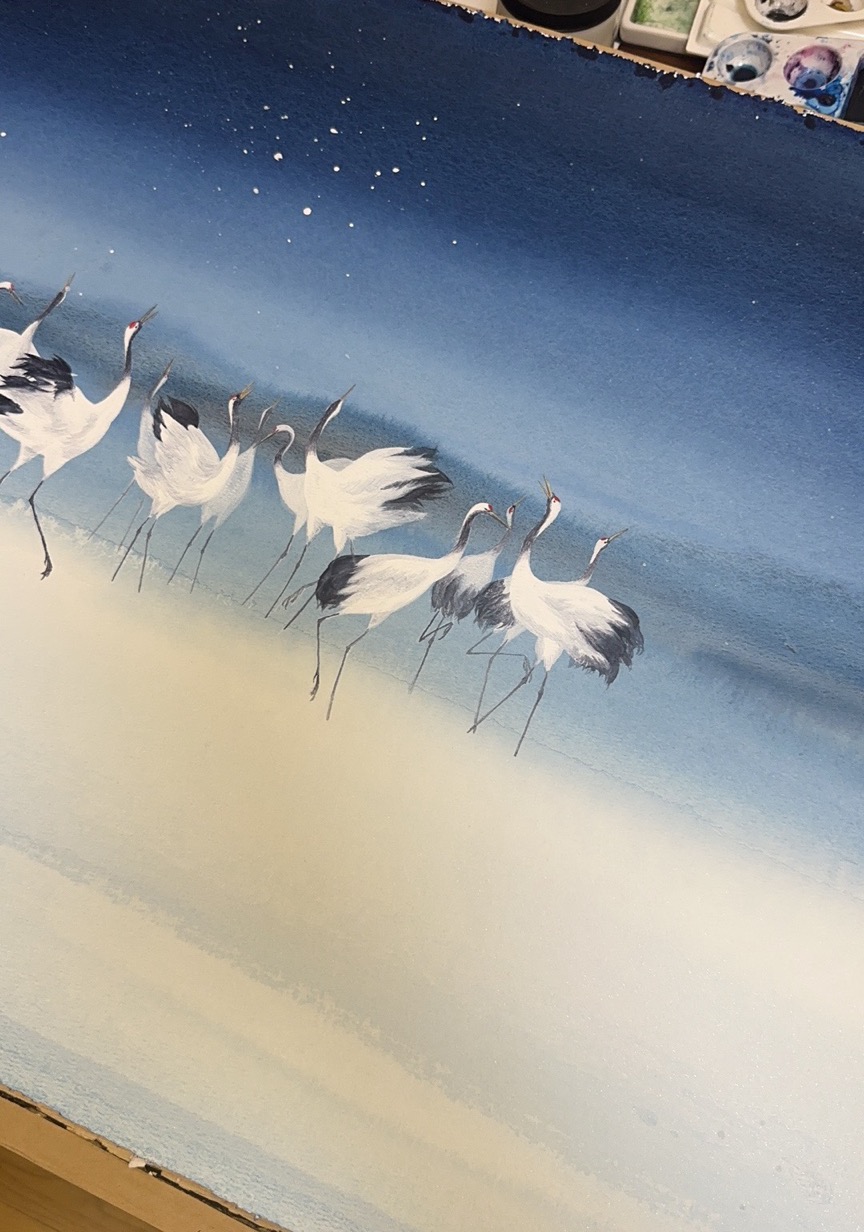
Hao: My subjects are mainly people and animals. A central theme in my work is the “Taihe Series”, which features Chinese cranes as symbols of harmony—both among people and between humanity and nature. “Taihe”, meaning “the Highest Harmony”, carries deep philosophical meaning and defines the spirit of the series. The works depict scenes that express balance between heaven, earth, and all living things. These include serene natural landscapes such as mountains, lakes, and forests, as well as vibrant scenes full of flowers and birds. Some works show historic courtyards where culture and nature blend softly. Others are abstract compositions that convey harmony through subtle colour and form.
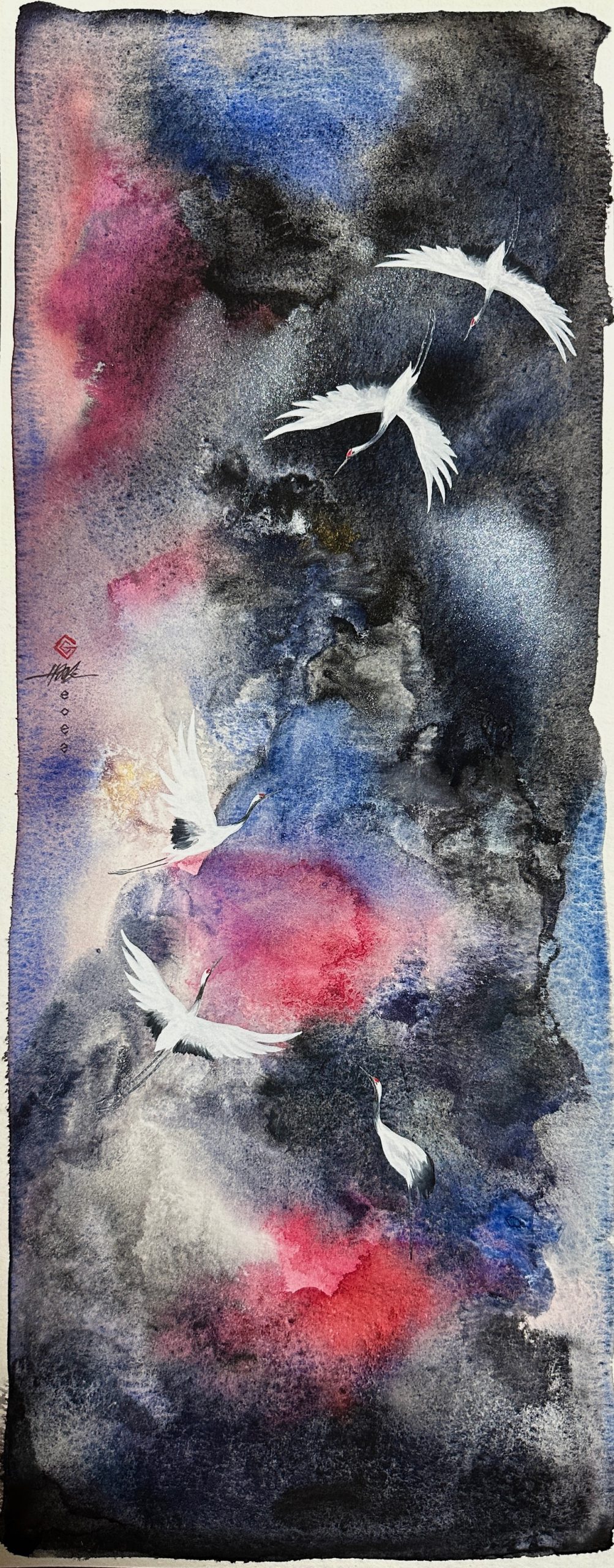
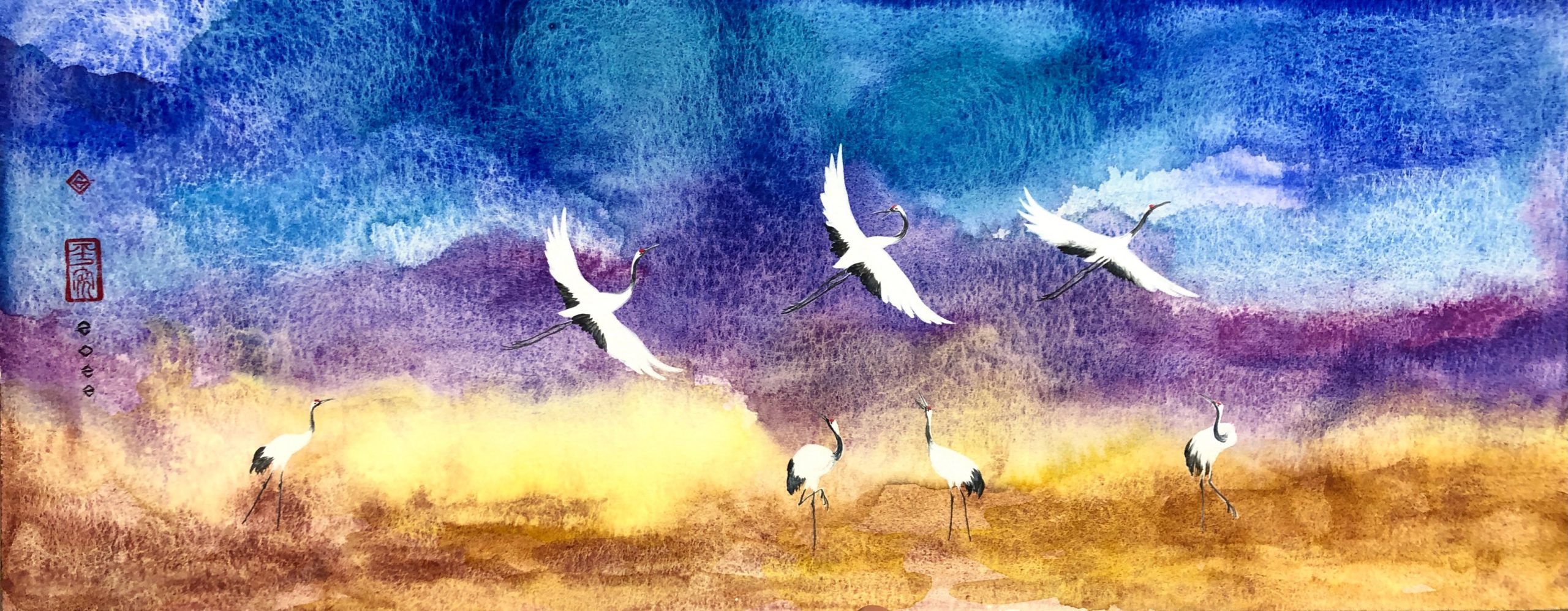
Harmony of colours is the soul of watercolour and key to true harmony. This series shows a subtle understanding of colour relationships. Transitions are natural, soft, rich, and even. Tones are fresh and muted or rich and subdued. The whole must remain harmonious, rhythmic, and visually pleasing—evoking tranquility, comfort, or sublimity. Strong contrasts and harsh conflicts are avoided in favour of dialogue and resonance between colours.
Harmony of technique and mood: Masterful watercolour technique—water control, layering, use of white, texture—serves the expression of mood, not showmanship. Technique and image form a unified emotional expression. The series modernizes oriental meanings, rooted in traditional Chinese philosophy: the unity of humanity and nature, and the law of nature. It seeks a “mood” and “style” beyond the visible. Qualities like serenity, subtlety, introspection, and ethereality define its aesthetic soul.
Harmony of composition focuses on balance, stability, and rhythm. Whether traditional or modern in layout, the goal is to guide the viewer’s gaze in a harmonious flow. Main and secondary elements echo each other, forming an organic whole that creates a stable, atmospheric, or spatially deep mood.
Is there a particular motif or project that you’re especially proud of? If so, what makes it so special to you?
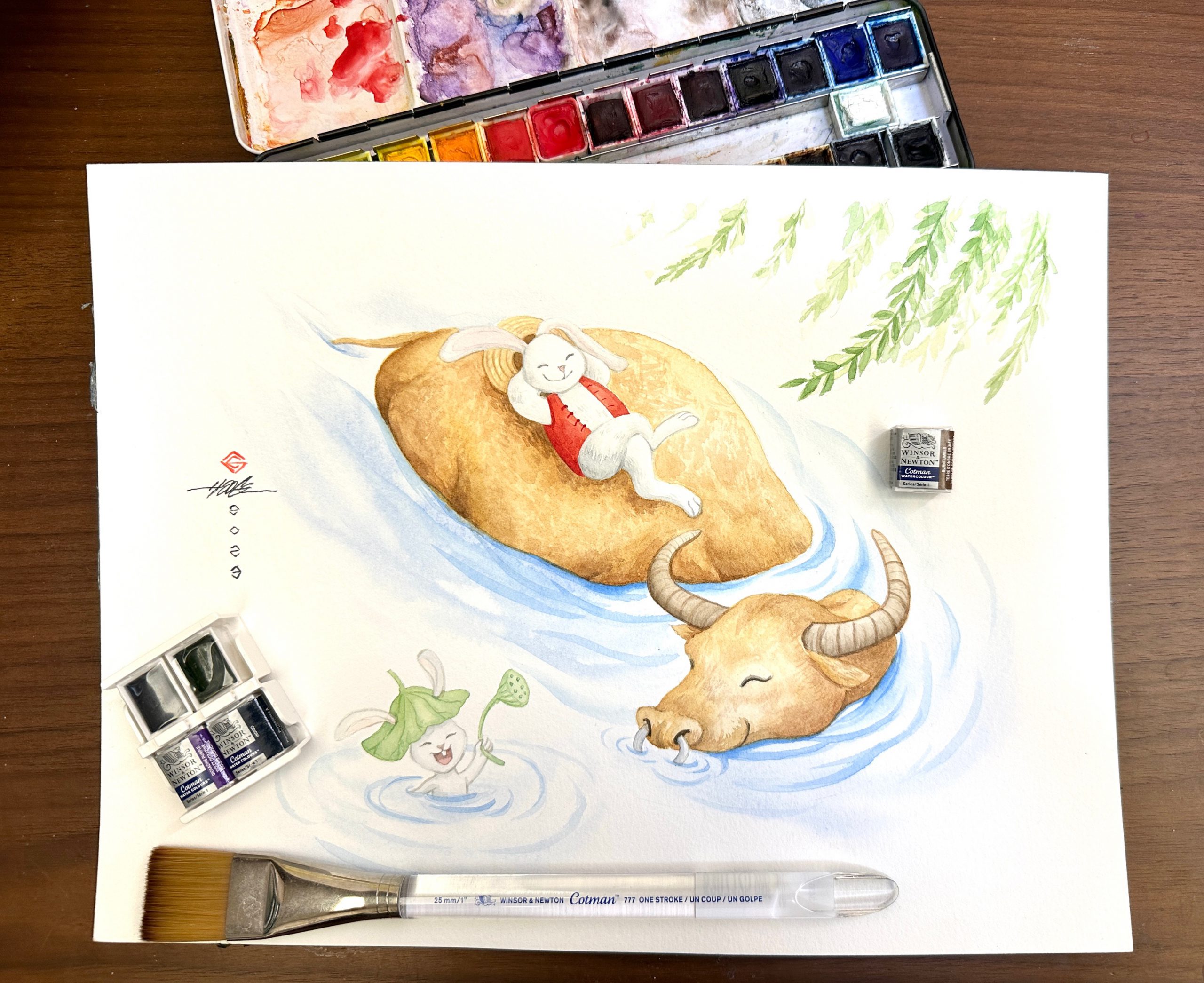
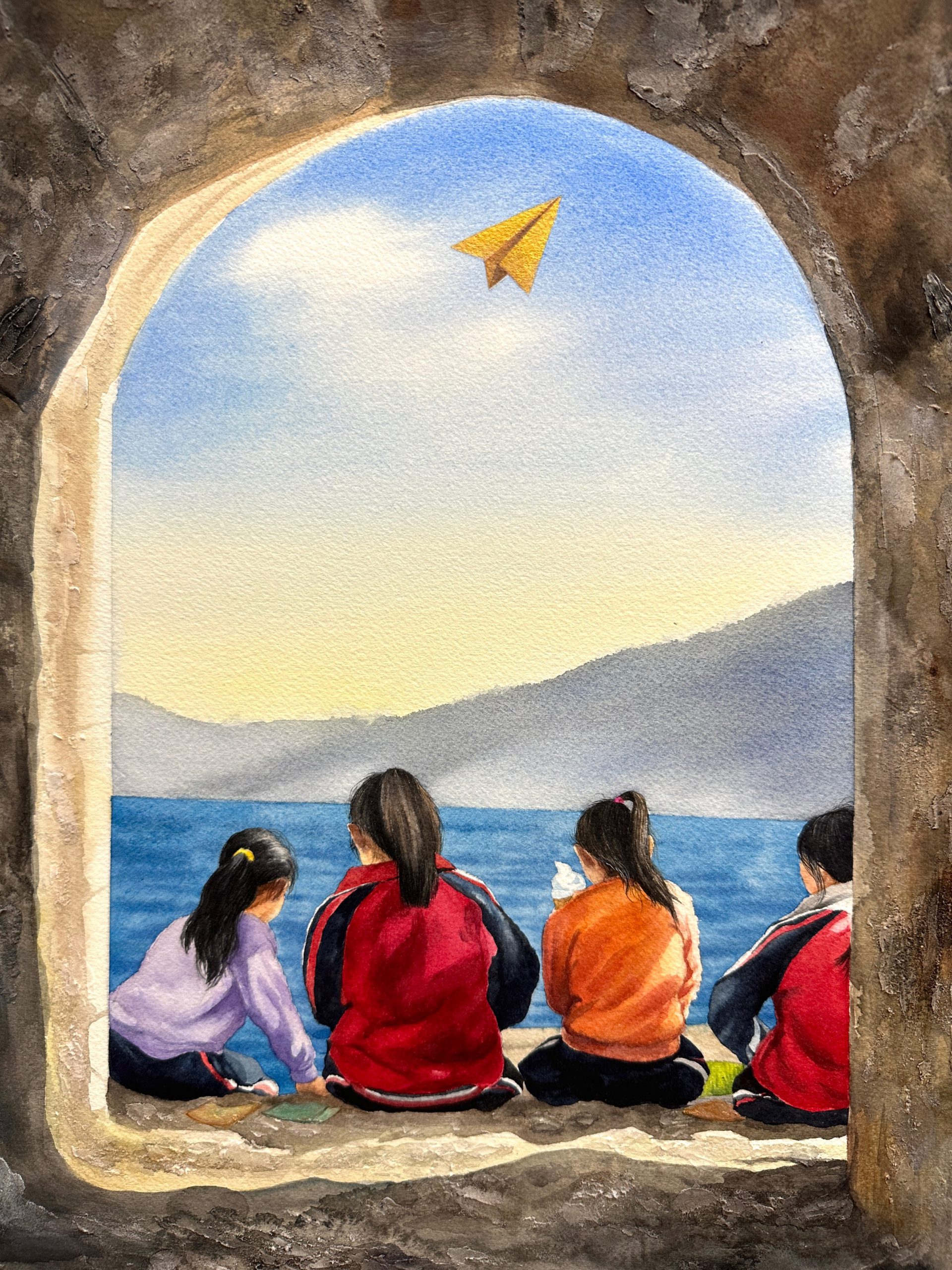
Hao: As a Painting Healer, I hope to use art healing to help children and adults with depression. This is generated by the energy that art carries within itself, and the care for life. Painting healing opens a door of expression for depressed children. It does not promise a quick cure, but plants the seeds of transformation in every stroke of paint. As the child transforms the invisible storm of emotions into tangible images, healing has already occurred quietly in the dialog between paint and paper – for each painting is a way for the mind to learn to breathe again.
The essence of healing through painting is to give emotions form. When children watch black swirls of sadness slowly being covered with gold, they don’t just see a painting—they experience a deep truth: pain can be touched, transformed, and given new meaning. This possibility of transformation is the soul of the process. It also helps me heal, and I’m passionate about this work.
How do you manage to integrate your passion for art into your daily life, and do you still find time for other things?
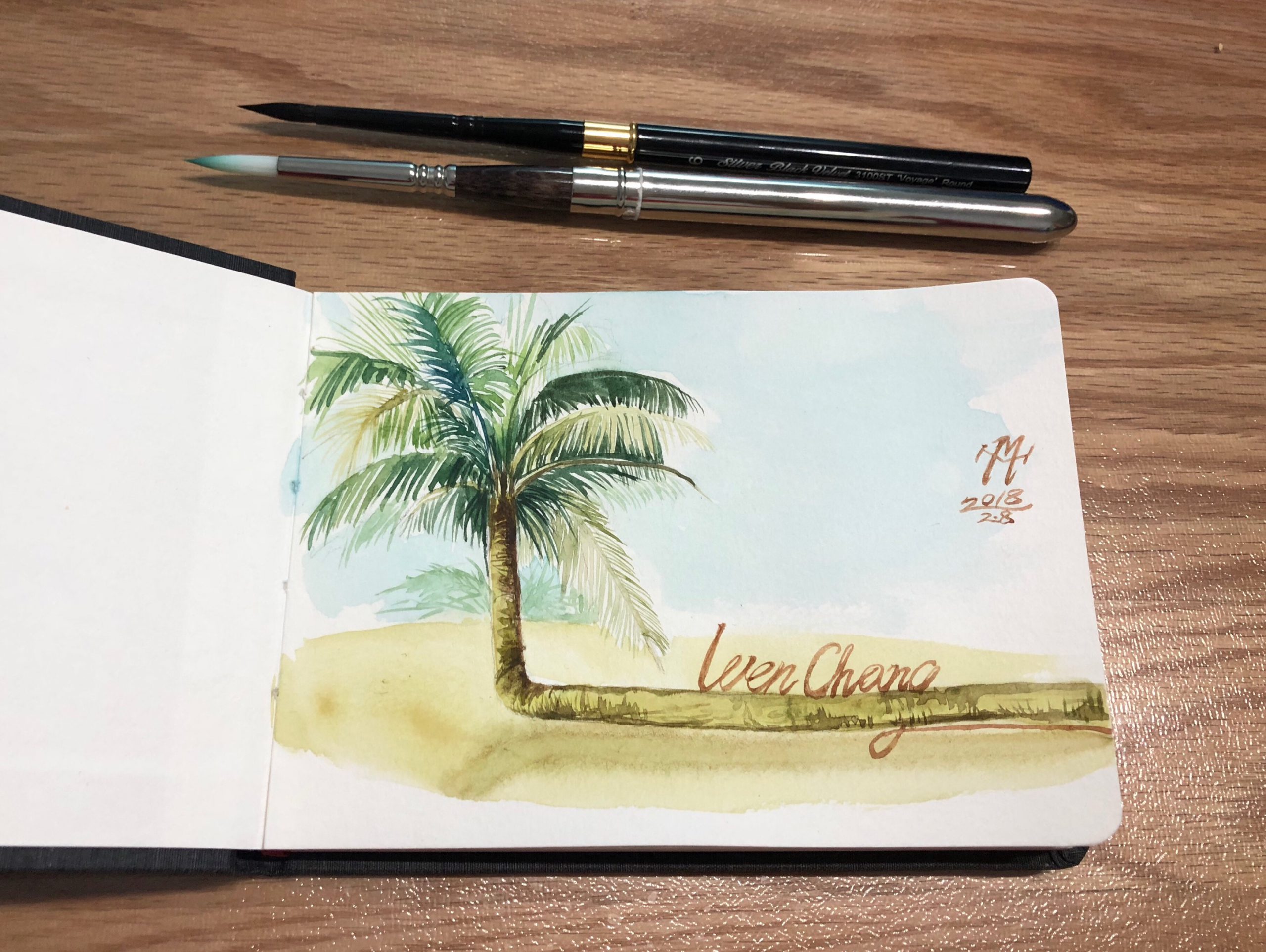
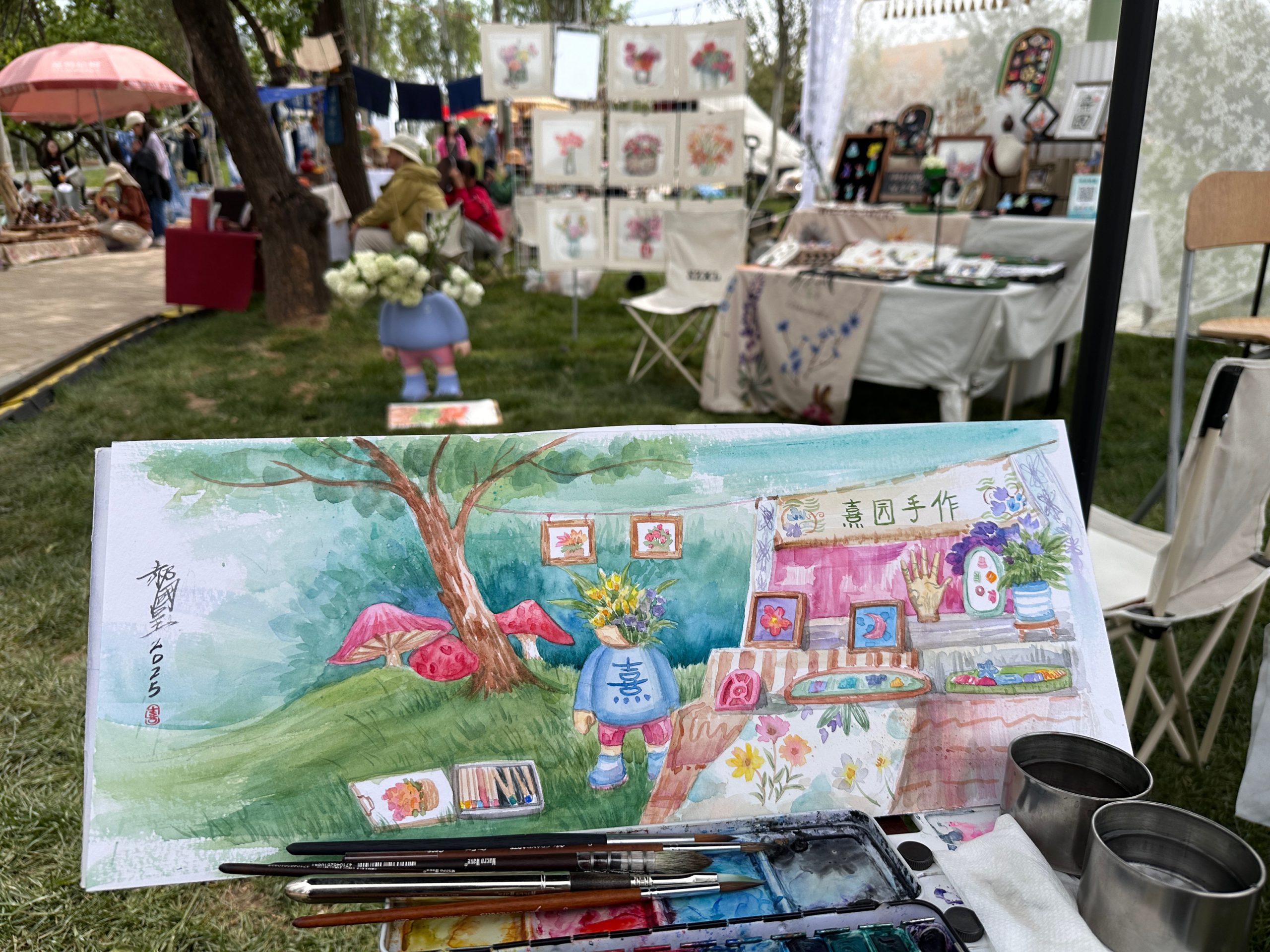
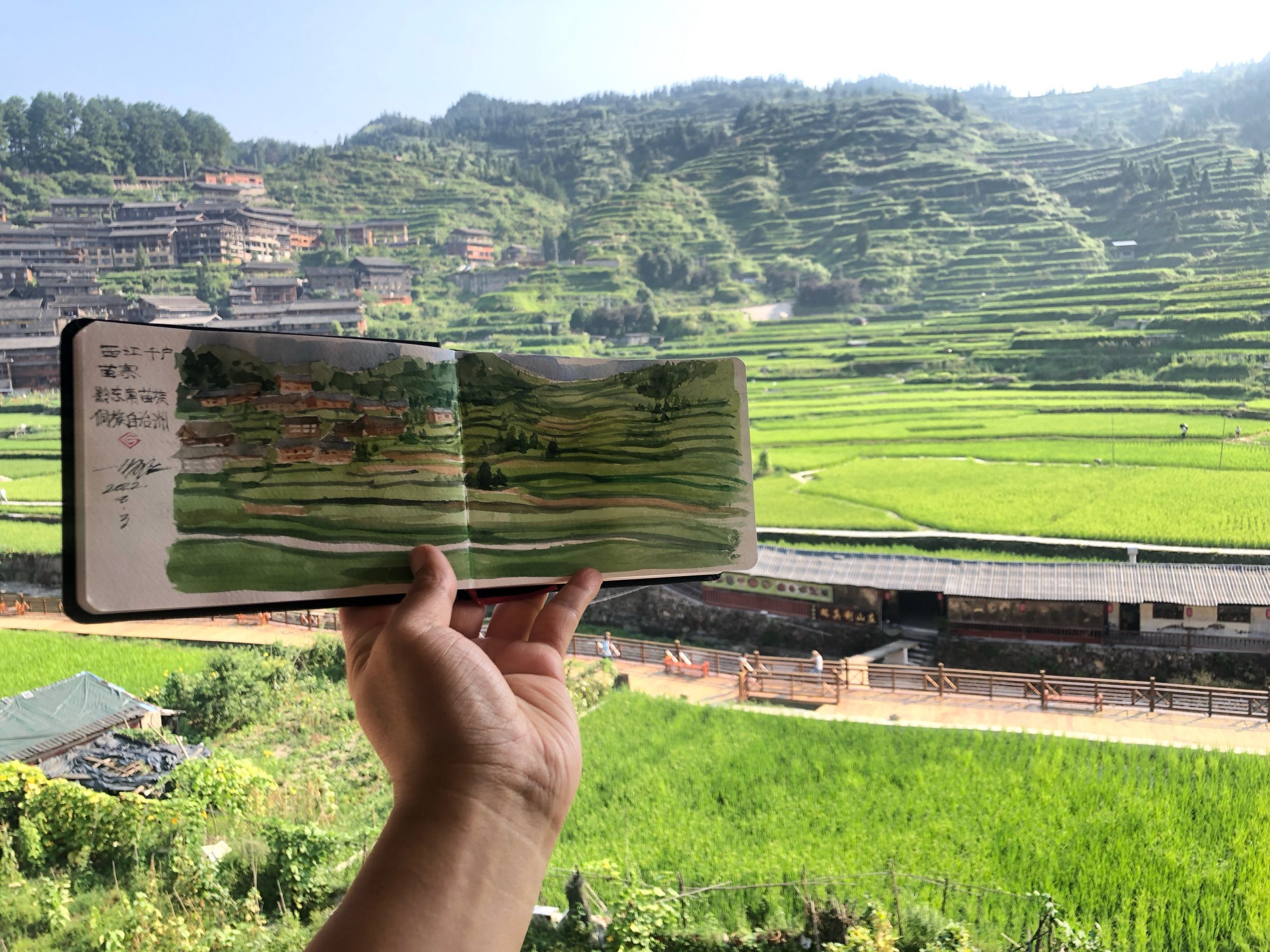
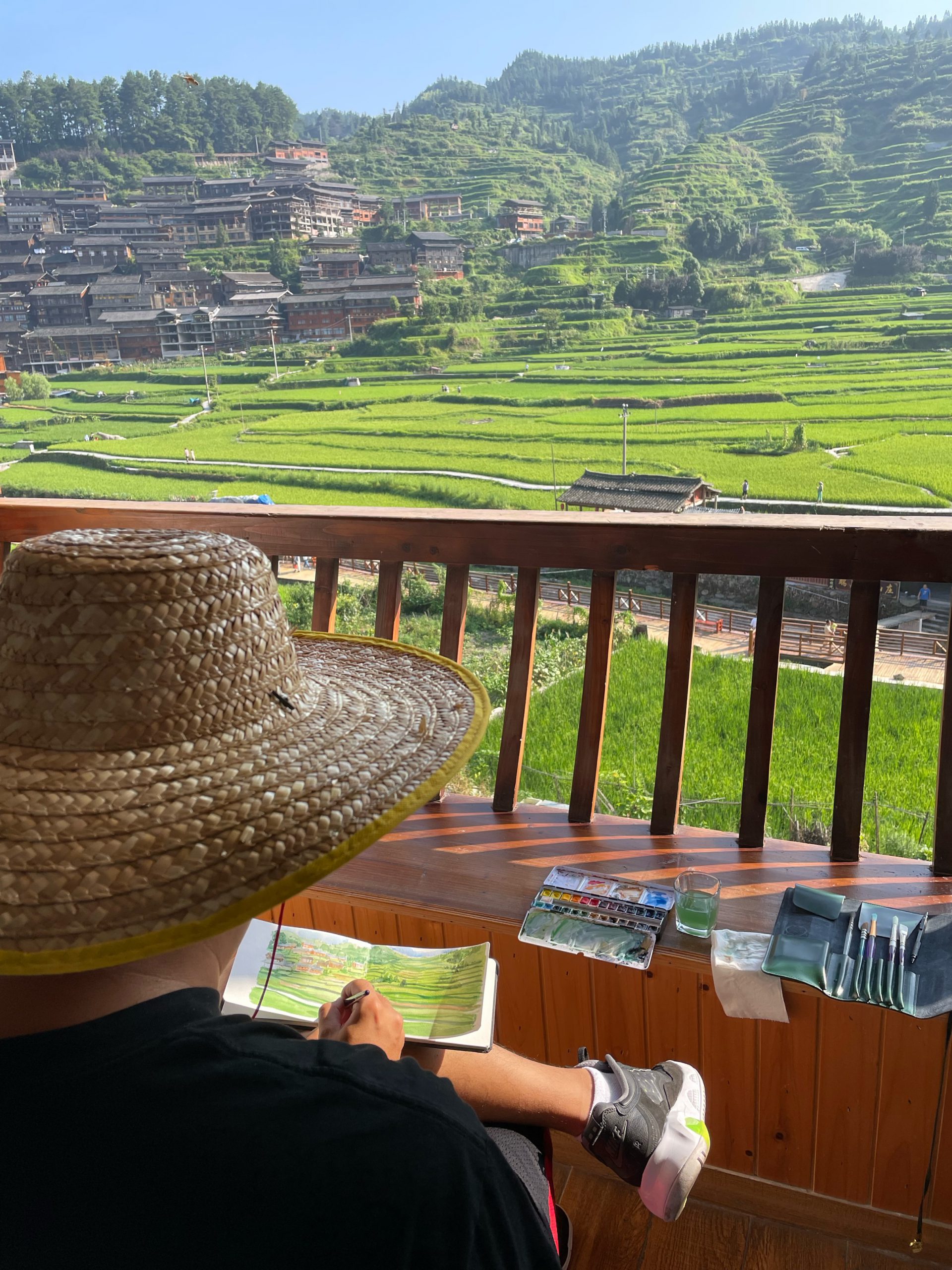
Hao: Art has become a part of my life, every day I want to record and do some doodles and sketches. In addition to the creation of works, rest of the time is to go to art galleries, museums to visit and learn, or go for outdoor sketching, and gatherings with friends, so it can be said that the relationship between life and art is inextricably linked.
What are your favourite materials and—especially interesting for us—your favourite papers to work with? Why did you choose these materials, and what do you particularly appreciate about them?
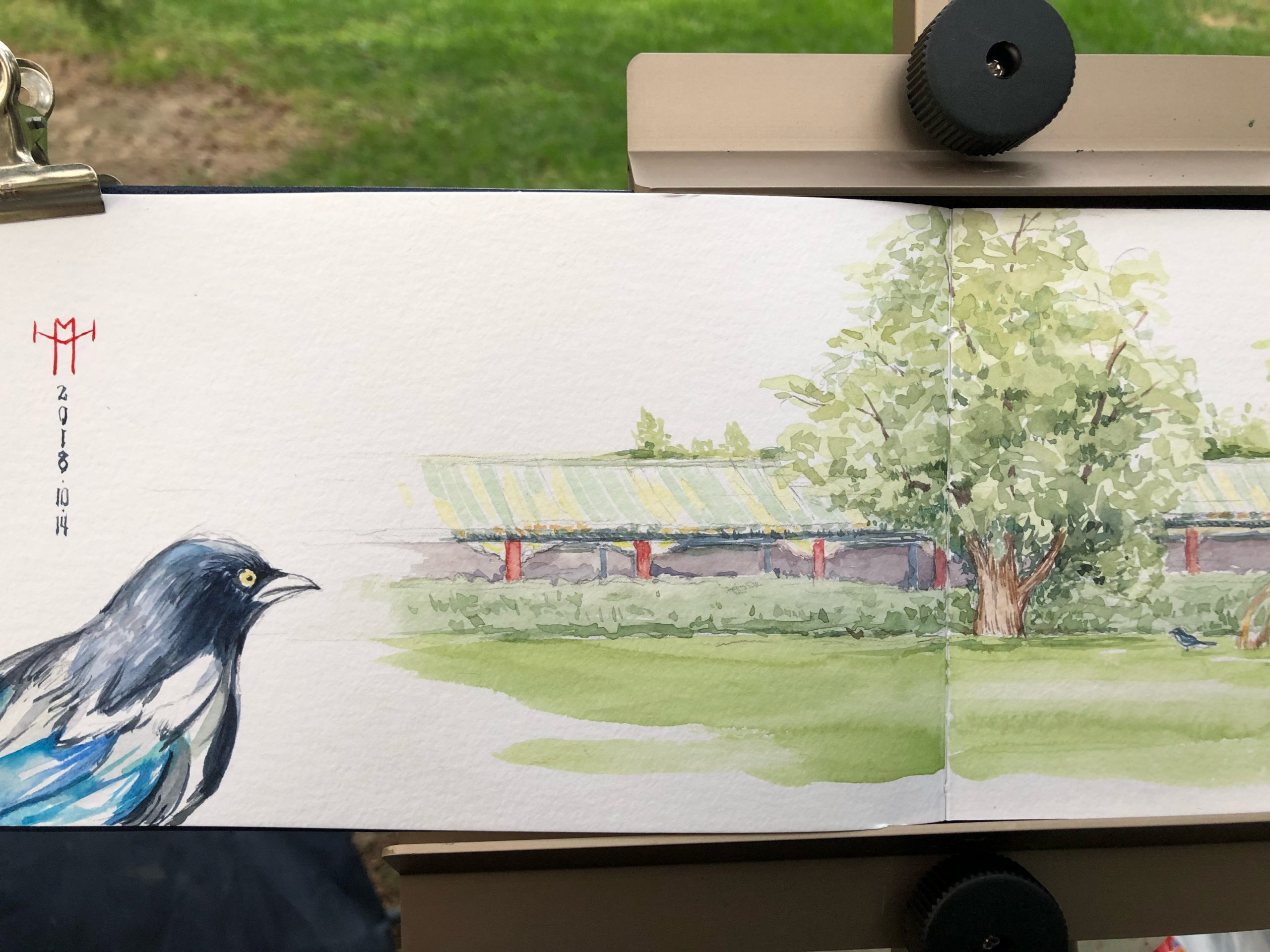
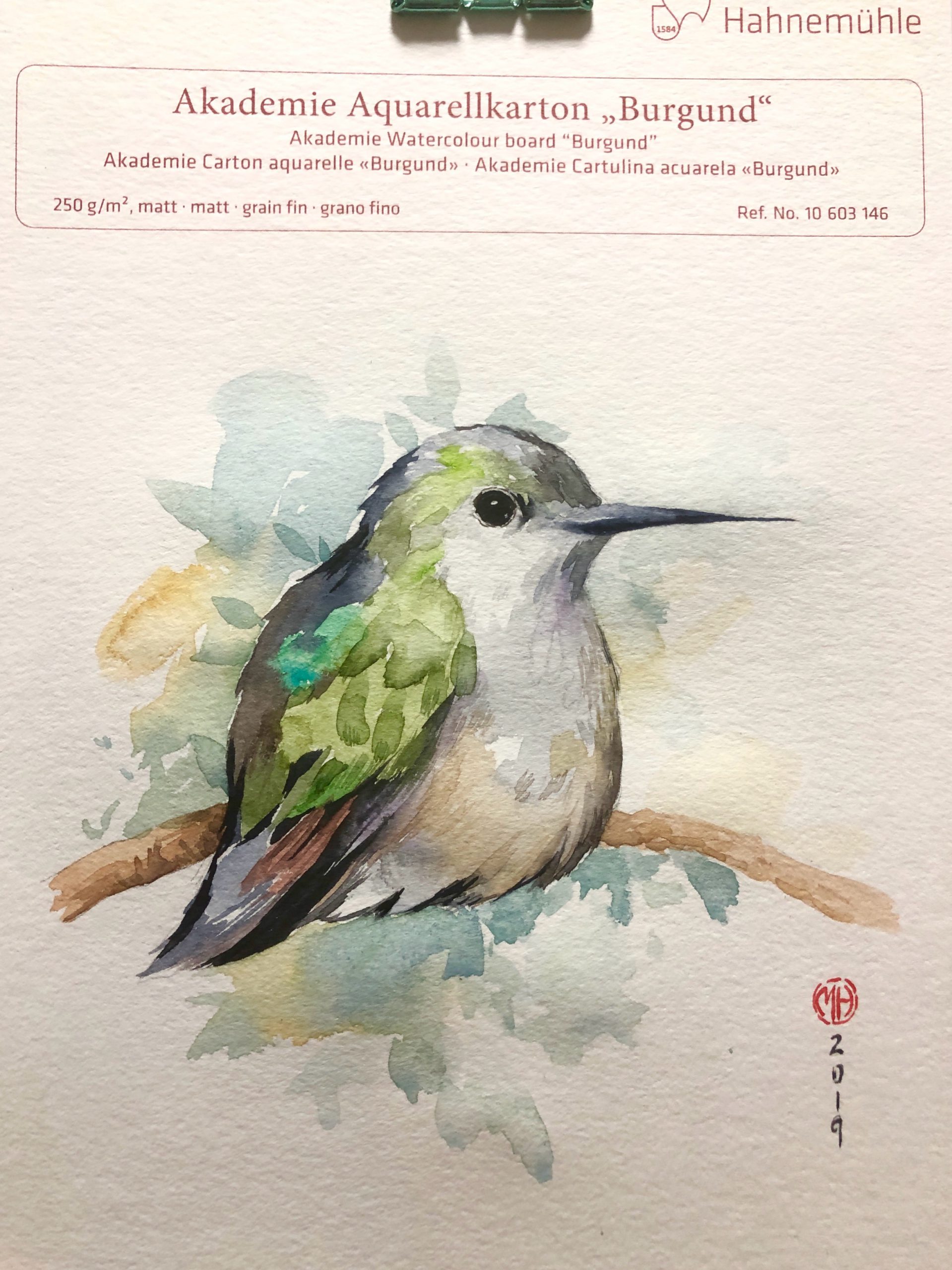
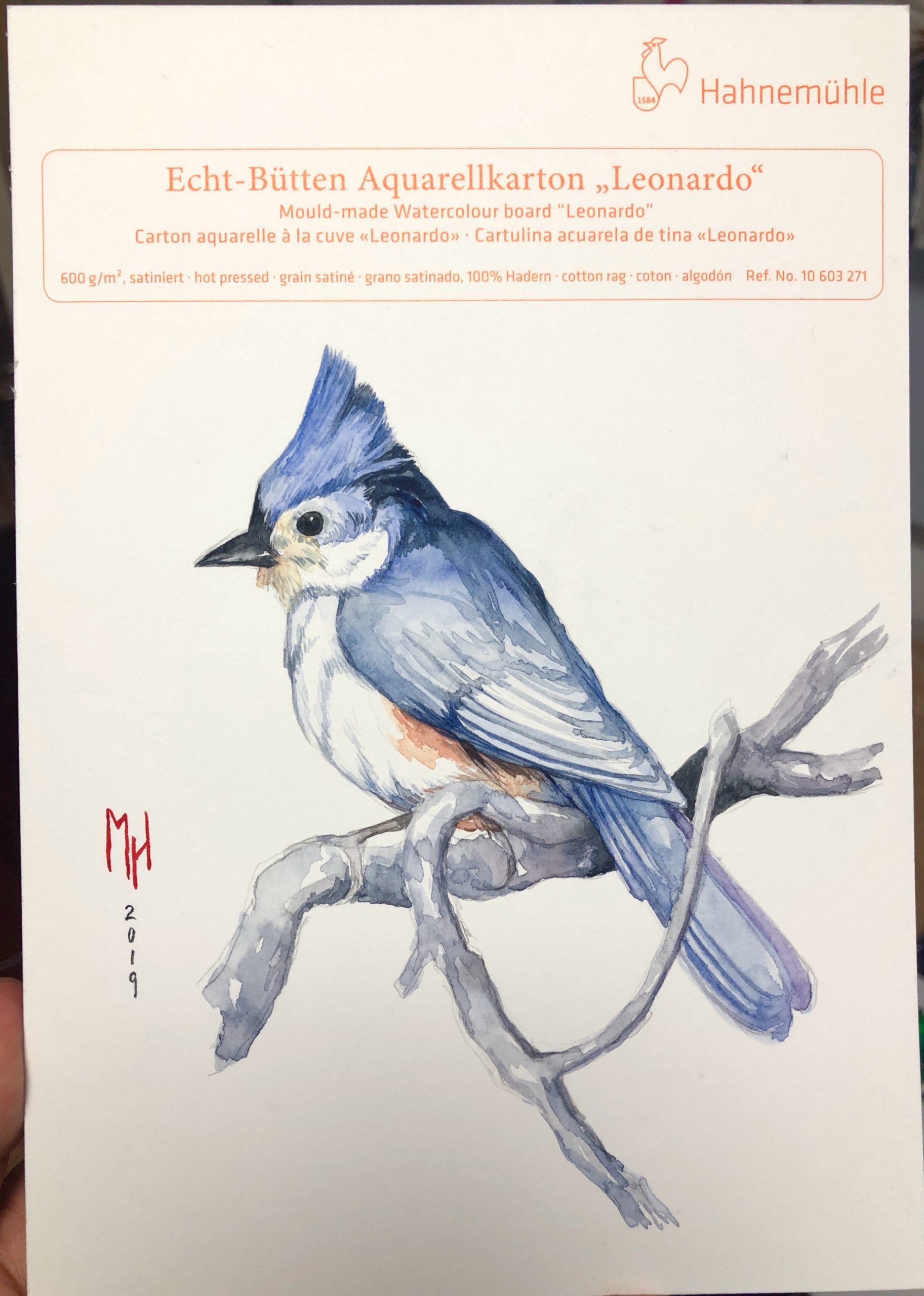
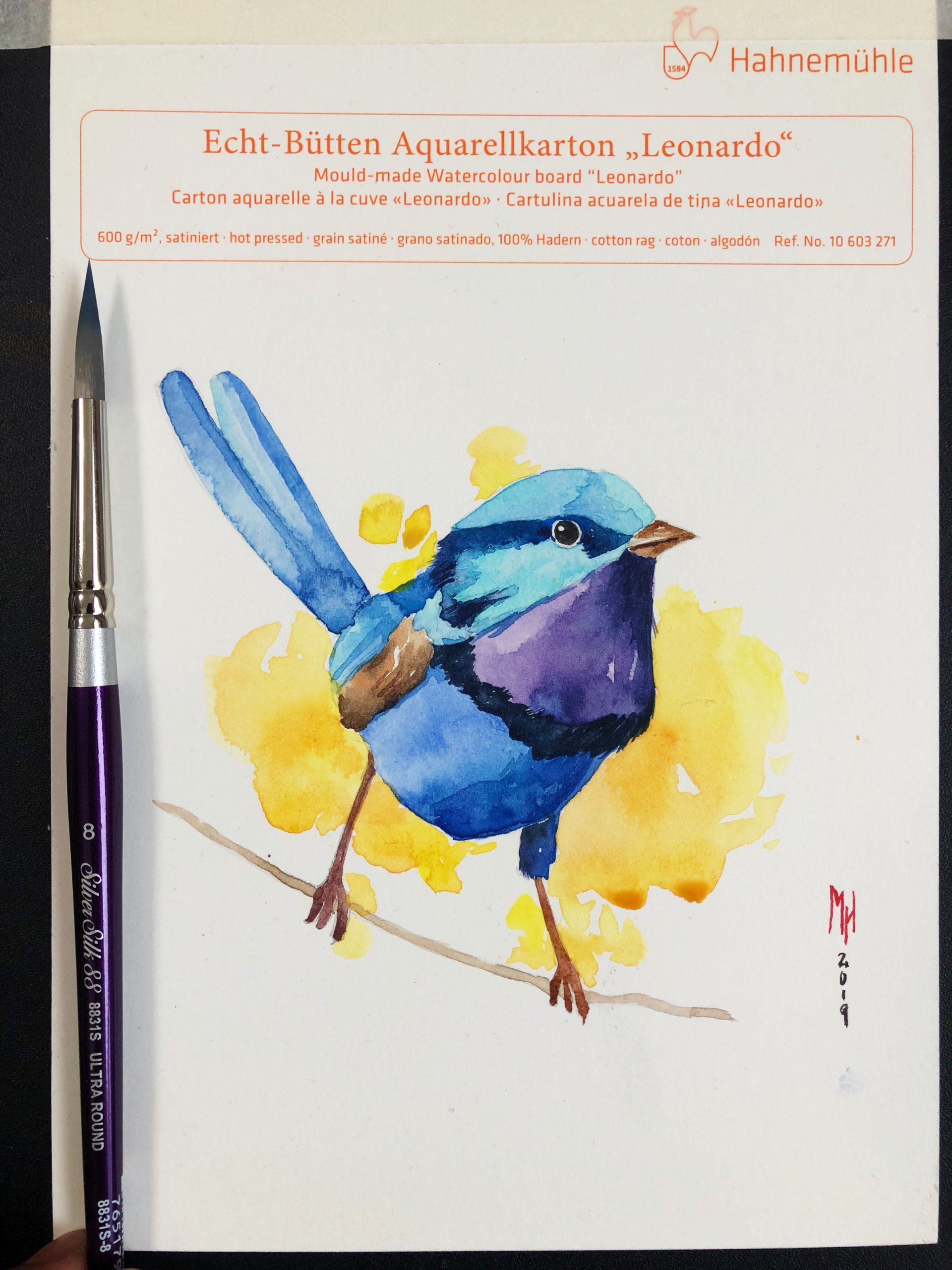
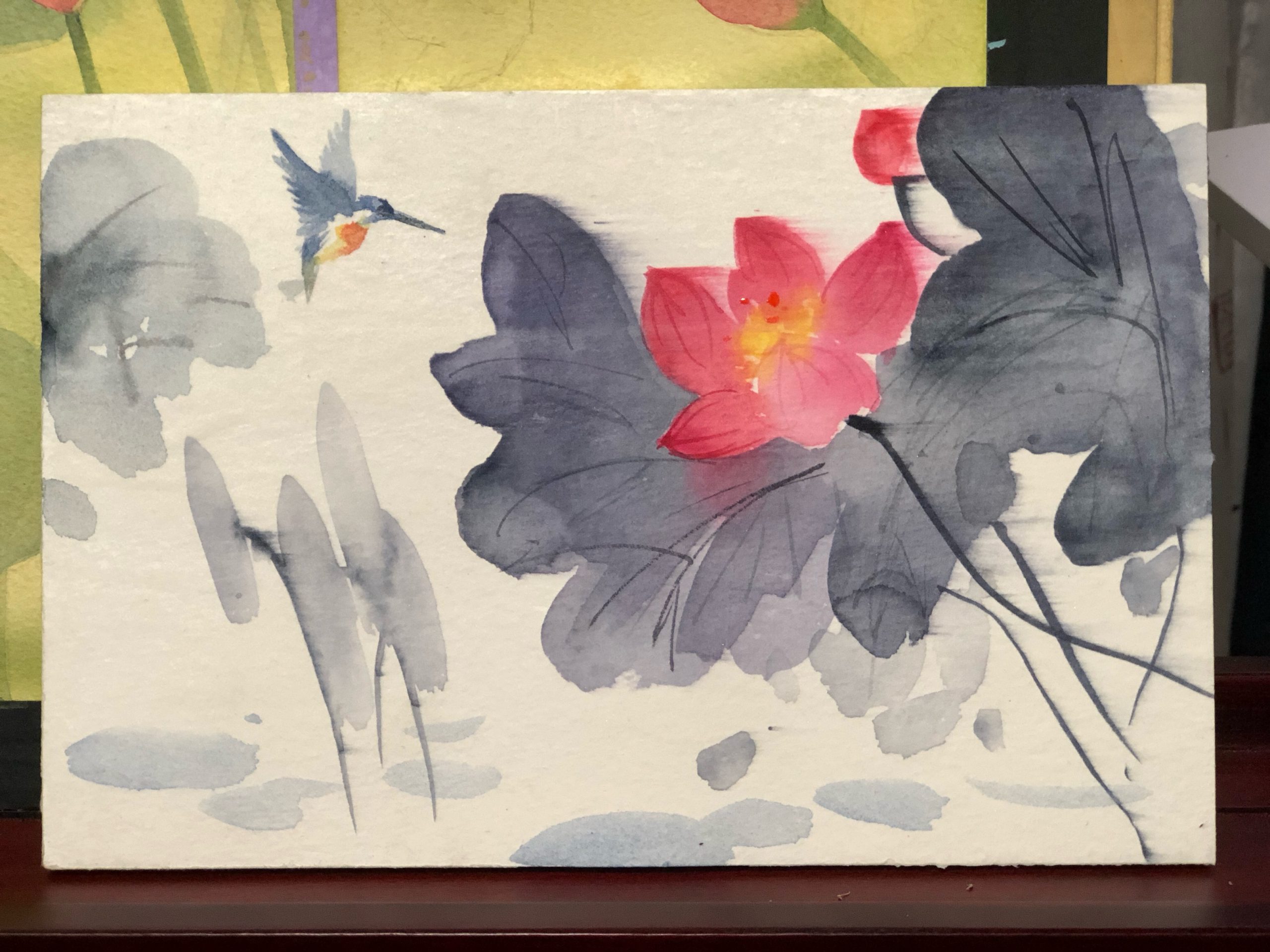
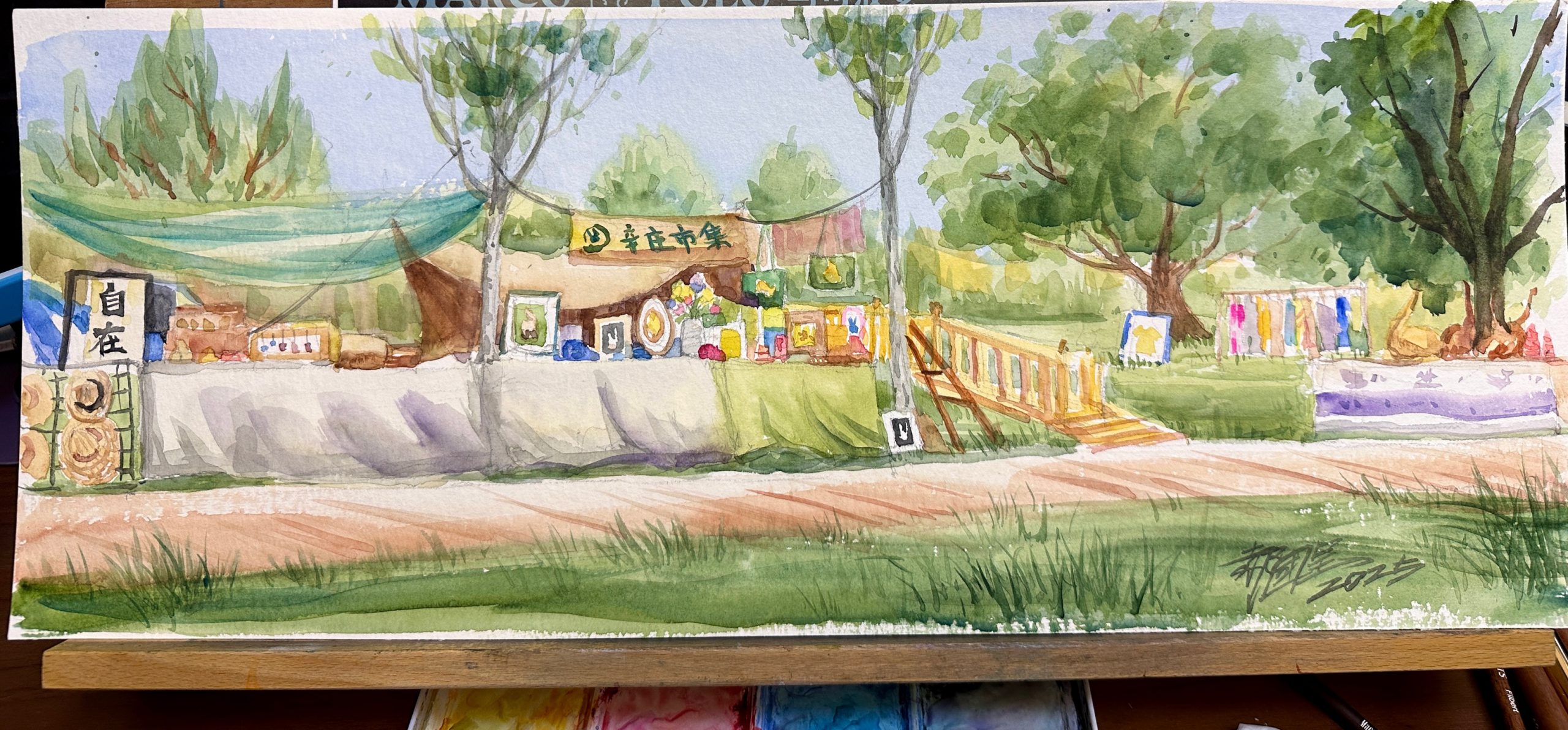
Hao: My favorite materials are watercolour, gouache, oils, and acrylics. I’ve used Hahnemühle papers for years—especially 600g Leonardo, Cornwall 450 gsm, and Quattro 170 gsm sketch paper – or both personal works and sketches. Leonardo offers a smooth pulp and strong colour performance. Cornwall is, in my view, the best wood pulp watercolour paper for mixed media. My favourite format is Cornwall 20×50 cm—a panoramic size that allows for more dynamic and varied compositions.

What advice would you give to someone starting with watercolour painting? Are there any tips or techniques that helped you in the beginning?
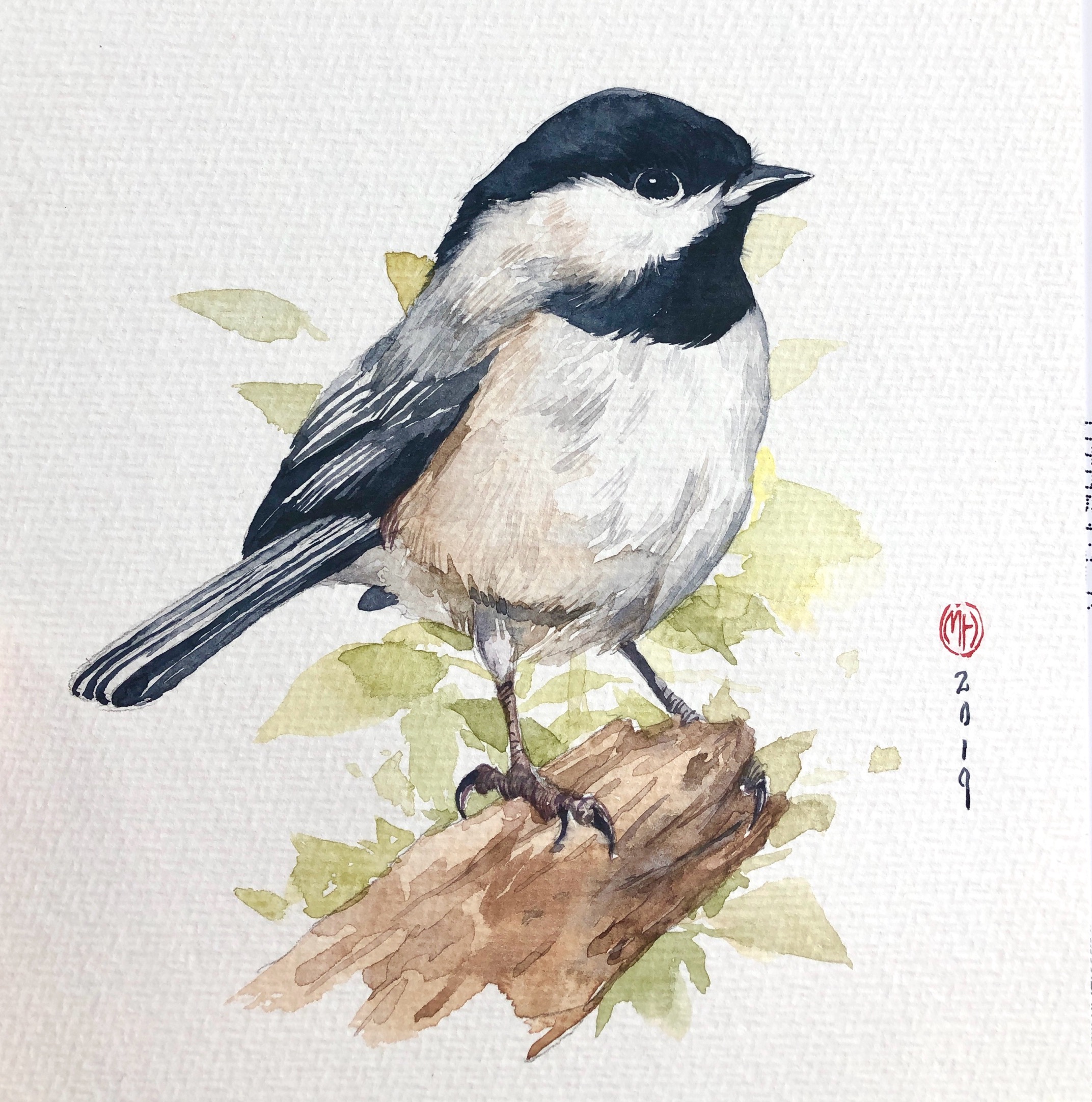
Hao: Always use high quality paper for watercolours, for paints, brushes are secondary, good paper will inspire and change the creative intent, practice more water control, practice more with wet painting.
Do you have any new ideas or projects in the works that you’d like to share with us? What can we look forward to in the future?
Hao: Currently, I am preparing my own personal exhibition, and some activities of the tour, such as outdoor sketching, art healing public welfare contents.
Thank you so much for taking the time to speak with us and share so much about your creative journey. We wish you continued success and hope you’ll inspire many more people along the way!
If you’d like to see more of Hao’s work and follow him, we recommend checking out his Instagram and Red Note (Xiaohongshu).